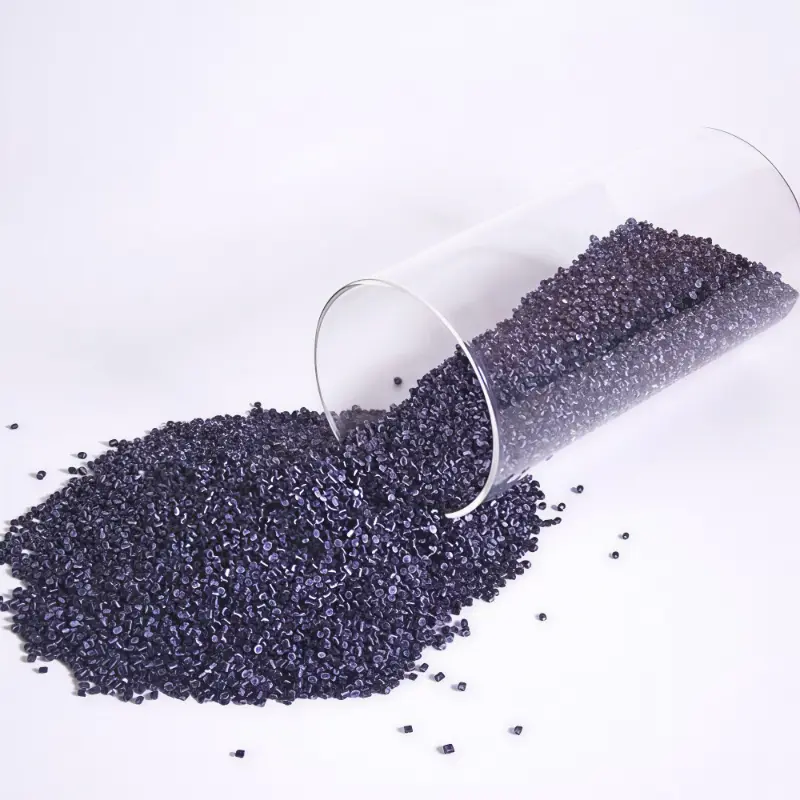
ACCOM’s Odorless Mineral Filled Polypropylene combines a polypropylene (PP) matrix with mineral reinforcement and a formulation designed to minimize unwanted odor in molded products. It addresses applications where the odor characteristics of plastic materials matter alongside mechanical performance, dimensional consistency and processing requirements.
Mineral fillers can improve stiffness and help control molding shrinkage, depending on the filler type, loading and overall formulation. At the same time, odor characteristics are influenced by the base resin, additives and processing conditions. Selecting the appropriate compound therefore requires consideration of both the finished product's odor requirements and its functional performance.
At ACCOM, we provide modified polypropylene materials for different application requirements, helping match material characteristics with component design and manufacturing processes.
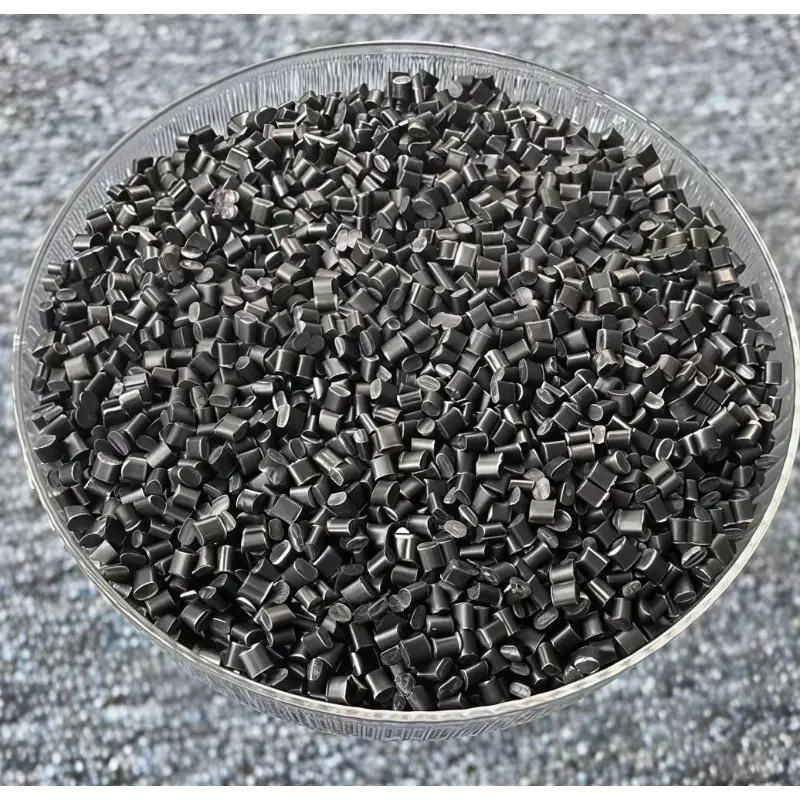
Designed for applications where noticeable plastic odor is undesirable, this compound prioritizes odor control in the finished product. Its suitability for odor-sensitive applications depends on the formulation, processing conditions and required odor evaluation criteria.
Mineral reinforcement can increase the stiffness of polypropylene and help reduce molding shrinkage. These characteristics are useful for molded components that need to maintain their shape and fit during assembly and use.
The performance of Odorless Mineral Filled Polypropylene depends on the mineral type, filler content and polymer formulation. These factors influence stiffness, impact behavior, shrinkage and other mechanical characteristics, allowing material selection to focus on the requirements of the finished component.
Polypropylene is widely used in plastic processing. A mineral-filled formulation can be considered for molded parts that require a balance of processing characteristics, structural rigidity and dimensional control. Processing parameters should be adjusted to the selected grade and component design.
Suitable for evaluating in interior trim, covers and housings where low odor and dimensional stability are important.
Used for appliance housings, internal supports and molded structural parts requiring rigidity and reduced odor.
Suitable for molded products where low odor, dimensional consistency and functional performance are required.
Applicable to housings, covers and functional parts that require stiffness and dimensional stability.
When selecting Odorless Mineral Filled Polypropylene, consider three key factors:
Odor Requirements: Check the required odor rating or VOC limits for the intended application.
Mechanical Properties: Match stiffness, impact resistance and dimensional stability to the component's requirements.
Processing Conditions: Consider molding shrinkage, filler content and processing parameters to achieve consistent part quality.
For odor-sensitive applications, review the grade-specific technical data and test results before selection.
Conventional mineral-filled polypropylene is generally selected for properties such as stiffness, shrinkage control and mechanical performance. Odorless Mineral Filled Polypropylene places additional emphasis on the odor characteristics of the compound.
The two materials may share some benefits from mineral reinforcement, but they should not be assumed to have identical formulations or mechanical properties. For odor-sensitive applications, the material needs to meet both the required odor criteria and the component's functional requirements.
It is a mineral-reinforced PP compound formulated for molded parts requiring reduced odor and dimensional stability.
It focuses on odor control while mineral fillers can improve stiffness and dimensional stability.
Not necessarily. Actual odor depends on the formulation and processing conditions and should be verified through appropriate testing.
It can be considered for interior components subject to the applicable odor, VOC and mechanical requirements.
Mineral fillers can increase stiffness and reduce shrinkage, but may also affect impact resistance and surface finish.
Provide the intended application, required properties, molding process and any odor or VOC specifications.
Address
120 Robinson Road Singapore Zip Code: 068913
Tel
Copyright © 2024 Suzhou Accom New Material Technology Co., Ltd. All Rights Reserved.