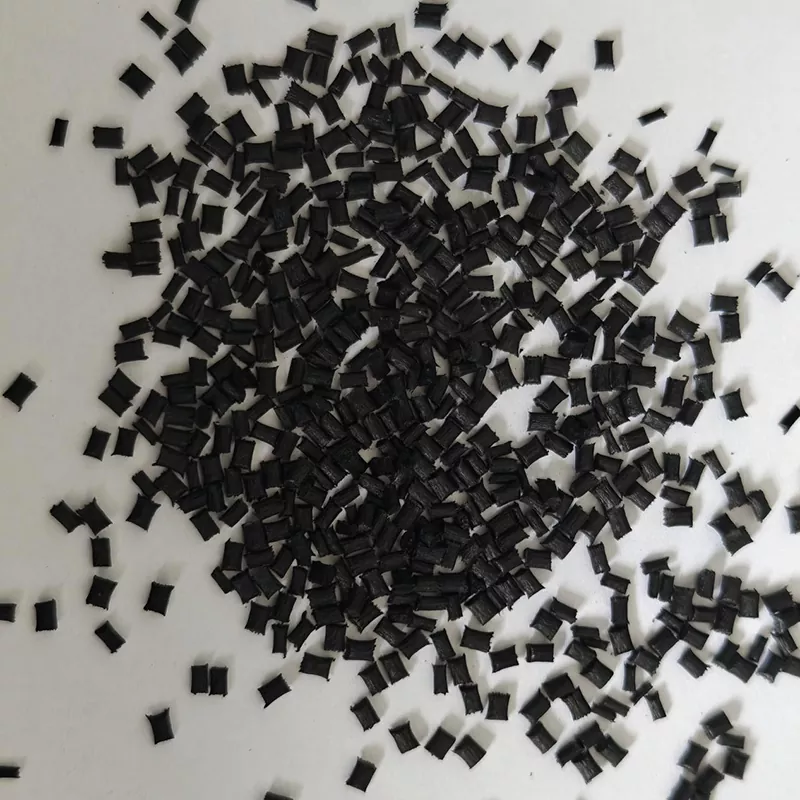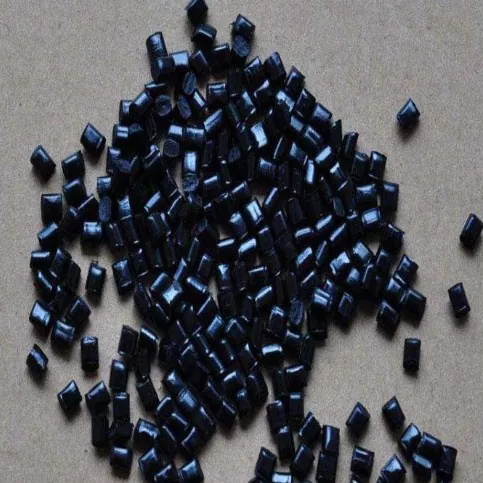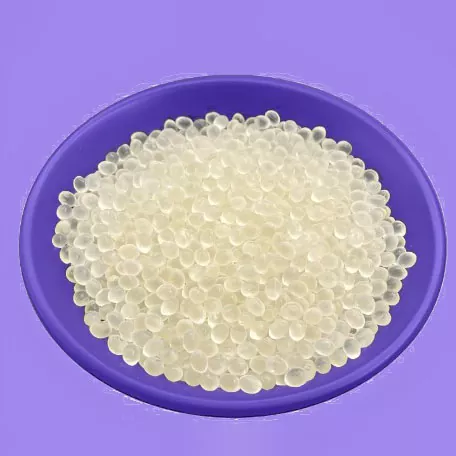
General Plastic Pellets are an essential starting material for manufacturing a wide range of plastic products. Understanding the differences between polymer families, their physical properties, and their processing requirements helps manufacturers identify suitable materials for packaging, household goods, appliance components, and other everyday applications.
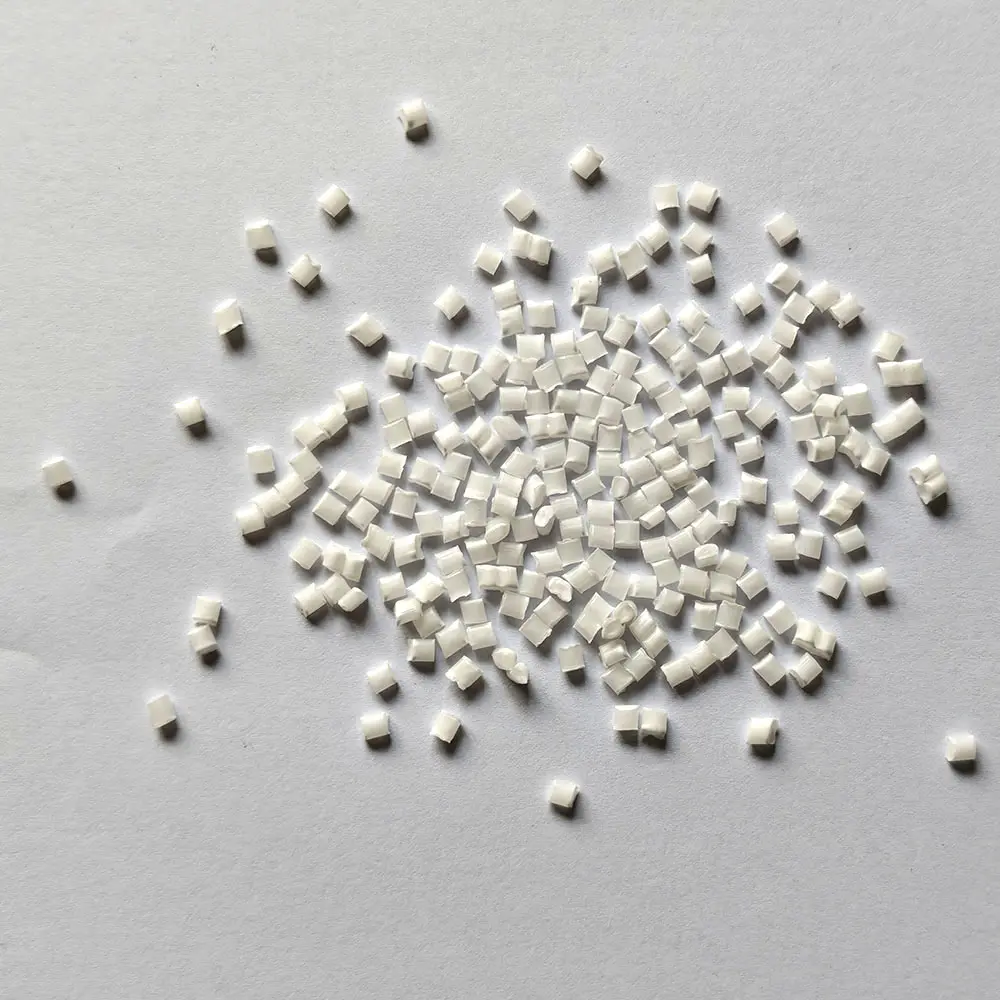
Plastic resin pellets provide a consistent, processable feedstock for converting polymer materials into finished components. However, different resin families behave differently under mechanical loads, temperature changes, chemical exposure, and manufacturing conditions. This guide explains the characteristics of polypropylene, polyethylene, and polystyrene, compares their typical applications, and outlines practical steps for selecting and handling suitable grades. It also examines how additives, molding methods, quality checks, and storage conditions influence production outcomes.
Explore This Guide
QUICK NAVIGATION- 01. Understanding Plastic Resin Pellets
- 02. Main Material Types
- 03. Important Material Properties
- 04. Applications Across Industries
- 05. Processing Methods and Conditions
- 06. How to Select the Right Grade
- 07. Quality Evaluation and Consistency
- 08. Storage and Material Handling
- 09. Sustainability Considerations
- 10. Common Selection Mistakes
- 11. Frequently Asked Questions
Understanding Plastic Resin Pellets
From raw polymer to a process-ready manufacturing material
Plastic resin pellets are small, regularly shaped pieces of thermoplastic material used as feedstock in industrial manufacturing. They are typically produced by processing polymer resin into manageable granules that can be transported, stored, measured, and fed into production equipment.
During manufacturing, heat softens or melts the polymer so that it can flow into a mold, pass through an extrusion die, or take the shape of a product in another forming process. Once the material cools or solidifies, it retains the geometry of the finished part.
The term General Plastic Pellets describes a broad group of commonly used plastics rather than one single chemical formulation. Material selection therefore begins with identifying the specific polymer, grade, and performance requirements of the intended product.
Base Polymer
The underlying resin determines fundamental characteristics such as flexibility, stiffness, chemical resistance, and thermal behavior.
Material Grade
Different grades within the same polymer family can vary in flow behavior, impact performance, color, and suitability for particular processes.
Functional Additives
Selected additives can modify characteristics such as color, UV resistance, static behavior, flame response, or impact strength.
Processing Compatibility
The material must flow and solidify appropriately within the intended machine, mold, die, and production cycle.
These distinctions matter because a resin that performs well in a flexible container may not provide the rigidity or heat resistance needed for a structural component. The pellet form is only the starting point; the polymer formulation and processing conditions determine the final result.
Why material identification matters
Correct identification supports purchasing consistency, machine setup, quality control, and traceability. Material documentation should identify the polymer family and grade, while technical data should explain the properties relevant to the application. Color alone or the appearance of individual pellets is not sufficient to establish material identity.
What Are the Main Material Types?
Polypropylene, polyethylene, and polystyrene serve different functional needs
Three widely used commodity thermoplastics are polypropylene (PP), polyethylene (PE), and polystyrene (PS). Each has distinct molecular characteristics that influence how it performs in finished products. Choosing between them requires more than comparing general descriptions; the specific grade and service conditions must also be considered.
Polypropylene (PP)
Polypropylene is valued for its relatively low density, chemical resistance, and balance of stiffness and durability. Depending on its formulation, it can be used for rigid molded parts, thin-wall containers, closures, household products, and selected automotive components.
- Suitable for many injection molding and extrusion applications.
- Offers a useful balance of rigidity and low weight.
- Can be formulated for improved impact resistance or other functional requirements.
- Requires attention to temperature-related behavior and oxidation protection where relevant.
PP grades are not interchangeable in every application. A grade intended for a thin-wall container may have different flow characteristics from one designed for a thicker structural component.
Polyethylene (PE)
Polyethylene is a versatile polymer family that includes low-density polyethylene (LDPE), linear low-density polyethylene (LLDPE), and high-density polyethylene (HDPE). These variants differ in molecular structure, density, branching, stiffness, and processing behavior.
LDPE and many LLDPE grades are commonly associated with flexible films and packaging applications. HDPE is often selected for containers, caps, pipes, and other products requiring greater rigidity than many low-density grades provide.
- Provides good resistance to moisture and many common chemicals.
- Can support flexible film production or rigid molded and extruded products.
- Requires grade-specific evaluation of stiffness, impact behavior, and environmental stress cracking resistance.
Polystyrene (PS)
Polystyrene is used in products where rigidity, dimensional definition, and appearance are important. General-purpose polystyrene is typically relatively rigid and can offer good clarity, while high-impact polystyrene (HIPS) incorporates a rubber phase to improve impact performance.
Standard PS can be brittle in applications involving substantial impact. HIPS may be more suitable for housings, trays, and consumer products that need improved toughness, although the exact performance depends on the grade and design.
| Material | Typical Characteristics | Common Applications | Key Selection Concern |
|---|---|---|---|
| PP | Low density, useful stiffness, chemical resistance | Household goods, caps, containers, molded components | Impact performance, heat exposure, and grade flow |
| LDPE / LLDPE | Flexibility, toughness, moisture resistance | Films, flexible packaging, liners | Film strength, sealing behavior, and extrusion stability |
| HDPE | Greater rigidity than many LDPE grades, chemical resistance | Bottles, caps, containers, pipes | Stiffness, environmental stress cracking, and process fit |
| GPPS | Rigidity, dimensional definition, potential clarity | Display items, trays, selected household products | Brittleness, impact loads, and service temperature |
| HIPS | Improved impact resistance compared with standard PS | Appliance liners, housings, consumer product parts | Required toughness, surface finish, and forming method |
The descriptions above are general comparisons. Actual performance varies by grade, test method, formulation, and operating conditions.
Which Material Properties Should Be Evaluated?
Translate the finished product requirements into measurable criteria
Material selection is most effective when the requirements of the finished component are defined before a grade is chosen. A product may need to resist repeated impacts, maintain its shape under load, tolerate cleaning chemicals, or retain performance after exposure to heat and sunlight. Each requirement should be linked to an appropriate material property and test method.
Mechanical strength and impact resistance
Tensile strength describes the stress a material can withstand under a specified tensile test, while flexural properties indicate how it responds to bending. Impact tests assess behavior under a sudden load. These measurements answer different questions and should not be treated as interchangeable indicators of overall durability.
For parts exposed to drops, vibration, or repeated handling, impact performance may be particularly important. Wall thickness, corners, weld lines, and molded-in stress can also affect the finished part's behavior.
Thermal behavior
Processing temperatures and service temperatures are different considerations. A polymer must melt or soften appropriately during manufacturing, but the finished part must also retain acceptable properties under its actual operating conditions. Heat deflection temperature and melting temperature describe different phenomena and should not be used as equivalent limits.
Flow behavior and processability
Melt flow rate is commonly used to characterize the flow behavior of thermoplastics under specified test conditions. It can help compare grades, but it does not independently establish the full processing window or predict every aspect of mold filling.
The required flow behavior depends on part geometry, wall thickness, flow length, gate design, extrusion equipment, and production conditions. A grade with higher flow may be useful for a complex thin-wall part, while other applications may prioritize melt strength or mechanical performance.
Chemical, moisture, and weather resistance
Exposure conditions should be considered early. Cleaning agents, oils, solvents, moisture, UV radiation, and temperature cycling may influence the service life of a component. Compatibility depends on the specific chemical, concentration, exposure duration, temperature, and stress applied to the part.
- Define the expected mechanical loads and impact conditions.
- Identify continuous and intermittent operating temperatures.
- Specify the processing method and required flow characteristics.
- List relevant chemical, moisture, and outdoor exposure conditions.
- Set appearance, dimensional, color, and regulatory requirements.
Where Are These Materials Commonly Used?
Application requirements determine the most suitable polymer family
Commodity thermoplastics are used throughout manufacturing because they can be formed into a wide variety of shapes and product formats. The same polymer family may serve multiple industries, but the appropriate grade can differ according to design, process, environment, and regulatory requirements.
Packaging and containers
Flexible PE grades are widely used in film and bag production, while selected HDPE grades are used for bottles, containers, and caps. PP can be used in rigid packaging, closures, and thin-wall molded products. Requirements such as sealability, barrier performance, stiffness, drop resistance, and product compatibility help determine the appropriate grade.
Household products and daily necessities
Storage items, organizers, utility containers, and numerous household components rely on a balance of shape retention, durability, cleanability, and appearance. PP and PE are common options, while PS may be appropriate for products requiring rigidity or a particular surface finish.
Home appliances and electrical products
Plastic housings, internal covers, and selected appliance components must meet requirements for dimensional stability, impact resistance, temperature exposure, and surface quality. A standard commodity grade may be suitable for some noncritical components, while parts with specific electrical or fire-safety requirements may need a specially formulated material or a different polymer family.
Automotive and industrial components
Automotive trim, covers, selected interior parts, and noncritical industrial components can use modified PP or other thermoplastics. The required properties may include impact resistance, dimensional stability, low-temperature toughness, weathering performance, and resistance to contact with fluids.
Components subject to substantial loads, sustained high temperatures, or strict safety requirements need a more detailed engineering assessment. Commodity polymers should not automatically be considered suitable replacements for engineering plastics.
| Application | Typical Material Considerations | Important Checks |
|---|---|---|
| Flexible packaging | Film toughness, flexibility, sealing performance | Extrusion behavior, film consistency, and end-use requirements |
| Rigid containers | Stiffness, impact resistance, chemical compatibility | Wall thickness, closure fit, and drop performance |
| Household products | Appearance, durability, ease of molding | Surface finish, dimensional accuracy, and repeated use |
| Appliance components | Thermal stability, stiffness, impact performance | Operating temperature and applicable safety requirements |
| Industrial parts | Load capacity, chemical resistance, wear behavior | Service environment and expected failure modes |
How Do Processing Methods Affect Material Performance?
Match the resin grade to the forming process and equipment
The same polymer may behave differently in injection molding, extrusion, or blow molding. Equipment configuration, temperature control, residence time, mold design, and cooling conditions all influence the consistency of the finished product. Selecting a material therefore requires considering both the end-use requirements and the intended manufacturing route.
Injection molding
Injection molding melts the polymer and injects it into a closed mold, where it cools and takes the required shape. It is commonly used for caps, housings, organizers, and complex components.
Relevant factors include melt flow behavior, mold filling, shrinkage, warpage, gate location, and cooling balance. Material recommendations should reflect the component's wall thickness, geometry, surface requirements, and molding machine capabilities.
Extrusion
Extrusion continuously pushes softened polymer through a shaped die to produce items such as films, sheets, profiles, and pipes. The material must provide suitable flow behavior and, where needed, adequate melt strength to maintain the shape of the emerging product.
For film production, consistency in thickness, surface quality, and mechanical properties is especially important. For pipes or profiles, dimensional control and the relevant application standards may become central selection criteria.
Blow molding
Blow molding forms hollow products by expanding a heated polymer parison or preform against a mold surface. Selected PE and PP grades are used in this process, depending on the equipment, container design, and performance requirements.
Parison stability, wall distribution, impact resistance, and resistance to the intended contents should be evaluated. A grade suitable for injection molding does not necessarily provide the melt behavior required for blow molding.
Pre-production process checks
- Confirm that the grade is intended for the selected forming method.
- Review the manufacturer's recommended processing range.
- Check machine capability, mold or die design, and cooling conditions.
- Inspect initial parts for dimensional accuracy and visible defects.
- Record process settings when establishing a repeatable production window.
How Can Manufacturers Select the Right Material Grade?
Use a structured assessment instead of relying on a generic material label
Effective selection begins with the product's intended function. A material that is easy to process may still be unsuitable if the finished component cannot tolerate its service environment. Likewise, a resin with strong mechanical properties may be unnecessarily complex for a simple, low-stress application.
- Define the product's function. Document the component's role, geometry, expected lifespan, and consequences of failure.
- Identify operating conditions. Specify temperature ranges, mechanical loads, chemical contact, moisture, sunlight, and cleaning exposure.
- Confirm the manufacturing method. Determine whether the component will be injection molded, extruded, blow molded, or formed by another process.
- Set measurable performance targets. Establish relevant requirements for impact, stiffness, flow, dimensional stability, color, and surface appearance.
- Review technical documentation. Compare grade-specific data sheets, test methods, processing guidance, and applicable compliance information.
- Validate the selected grade. Assess molded or extruded parts under representative production and service conditions before approving routine manufacturing.
When are modified grades appropriate?
Some applications need properties beyond those of an unmodified base resin. Depending on the material family, a formulation may incorporate impact modifiers, mineral fillers, colorants, UV stabilizers, antistatic additives, or flame-retardant additives.
Each modification can introduce trade-offs. Mineral fillers may improve stiffness or dimensional behavior but can affect impact strength and part weight. Impact modifiers may improve toughness while changing rigidity or surface characteristics. Flame-retardant formulations must be evaluated against the specific requirements of the finished product.
For greater toughness
Evaluate impact test results at the relevant temperature, including the effect of part geometry and molded-in stress.
For improved rigidity
Compare flexural properties, shrinkage behavior, and dimensional stability in the finished component.
For static control
Specify the required electrical behavior and confirm that the formulation meets the actual application conditions.
For fire-related requirements
Identify the applicable test standard and product-level requirement instead of relying on a general flame-retardant description.
For a practical grade comparison, organize the information into a selection matrix. This makes it easier for engineering, production, and quality teams to evaluate the same requirements and document the reasons behind a material decision.
How Should Material Quality and Consistency Be Evaluated?
Use traceable documentation and relevant test methods
Consistent raw materials help manufacturers maintain predictable processing and finished-part performance. Quality evaluation should combine documentation review, incoming inspection, appropriate testing, and communication between material suppliers and production teams.
Review the technical data sheet
A technical data sheet should identify the material grade and provide relevant property values alongside test methods and conditions. Important data may include density, melt flow rate, tensile properties, impact strength, thermal characteristics, and other application-specific measurements.
Values measured using different methods or conditions may not be directly comparable. Before comparing two grades, verify that the test standards, specimen preparation, and measurement conditions are appropriate for the intended decision.
Check lot identification and documentation
Packaging labels, lot numbers, material descriptions, and accompanying documentation help establish traceability. Where production requires consistent properties, incoming materials should be checked against the approved grade and purchase specifications.
Inspect material and finished parts
Visual checks can help identify contamination, unexpected discoloration, damaged packaging, or unusual pellet appearance. However, appearance alone cannot confirm molecular structure, additive concentration, mechanical properties, or regulatory compliance.
For critical applications, use appropriate laboratory tests and finished-part validation. Testing should focus on characteristics that directly affect product performance rather than relying on a single general quality indicator.
- Confirm the material name, grade, and batch identification.
- Compare available documentation with the approved specifications.
- Verify relevant property data and test methods.
- Investigate unexpected changes in processing or finished-part quality.
- Maintain records that connect incoming material lots to production batches.
What Storage and Handling Practices Help Protect Resin Pellets?
Prevent contamination and preserve material traceability
Proper storage helps maintain material condition between delivery and processing. The required controls depend on the polymer, formulation, packaging, and manufacturer's instructions. Even materials that are not particularly moisture-sensitive can be affected by contamination, prolonged heat exposure, or poor handling.
Keep packaging clean and identifiable
Store unopened packages in a clean, dry area and protect them from dust, water, chemicals, and physical damage. Keep grade and lot labels readable so that different materials are not accidentally mixed during handling.
Control moisture when required
Moisture requirements differ between polymer families and formulations. Some materials require controlled drying before processing, while others are less moisture-sensitive under ordinary conditions. Follow the grade-specific instructions instead of applying a single drying procedure to every resin.
Use suitable material transfer procedures
Conveying systems, hoppers, containers, and handling tools should be maintained to minimize dust and cross-contamination. Where different grades or colors are processed on the same equipment, establish appropriate cleaning and changeover procedures.
Maintain inventory rotation
Inventory controls help ensure that packaging remains intact and material is used according to the supplier's storage guidance. Older material should not automatically be rejected, but its condition and documentation should be reviewed if storage duration, packaging integrity, or environmental exposure raises concerns.
How Do Sustainability Considerations Affect Material Selection?
Consider material use, product life, and end-of-life pathways together
Sustainability decisions involve more than choosing a resin based on its polymer name. Product durability, material quantity, manufacturing scrap, packaging, transportation, and end-of-life management can all influence environmental outcomes.
Design for appropriate material use
Part geometry and wall thickness should meet functional requirements without unnecessary material use. However, reducing material indiscriminately can compromise impact resistance, stiffness, or service life. Design changes should therefore be validated through engineering analysis and suitable testing.
Evaluate recycled content carefully
Recycled polymers can support resource efficiency when their properties are compatible with the application. Their suitability depends on the source stream, sorting and processing methods, contamination control, and the consistency of the resulting material.
Recycled content may influence color, odor, mechanical properties, or processing behavior. Applications involving food contact, medical use, or other regulated requirements need particular attention to applicable rules and material traceability.
Consider product recyclability
Clear material identification and compatible product design can support downstream sorting and recycling. Combining different polymers, pigments, fillers, labels, and other components may complicate recycling, depending on local infrastructure and the product's construction.
- Choose a material that meets the required performance without unnecessary complexity.
- Assess recycled content against measurable quality and application requirements.
- Review relevant environmental and regulatory documentation.
- Consider the actual collection, sorting, and recycling options available for the product.
What Common Material Selection Mistakes Should Be Avoided?
Prevent avoidable inconsistencies before production begins
Choosing by polymer name alone
Two grades within the same polymer family may differ substantially in flow behavior, impact resistance, stiffness, and additive package. Always identify the exact grade and verify its suitability for the process and application.
Focusing on one property
Maximum stiffness or high melt flow does not automatically mean better overall performance. A balanced assessment should consider mechanical behavior, thermal exposure, chemical compatibility, processing stability, and the required product finish.
Ignoring the manufacturing method
A resin that works in injection molding may not be appropriate for film extrusion or blow molding. Processing recommendations and equipment compatibility must be considered before production starts.
Changing grades without validation
Substituting a material based only on a similar description can alter cycle behavior, shrinkage, dimensions, surface appearance, and mechanical performance. Any substitution should be evaluated against the approved requirements and documented.
Overlooking the service environment
A part may perform well under room-temperature conditions but fail when exposed to impact, sunlight, chemicals, or elevated temperatures. Test conditions should reflect realistic service conditions as closely as practical.
Frequently Asked Questions
Practical answers to common questions about plastic raw materials
What are General Plastic Pellets used for?
They are thermoplastic feedstocks used to manufacture products through processes such as injection molding, extrusion, and blow molding. Common applications include packaging, containers, household products, appliance components, and selected industrial parts. The exact application depends on the polymer family and grade.
What is the difference between PP, PE, and PS?
PP is often selected for its low density, useful stiffness, and chemical resistance. PE includes flexible grades used in films and more rigid grades used in containers and other products. PS is valued for rigidity and dimensional definition, while high-impact grades improve toughness. Specific properties vary by grade.
Can one plastic grade be used for both injection molding and extrusion?
Some polymer families have grades designed for multiple processes, but compatibility should never be assumed. Melt flow, melt strength, product geometry, and equipment requirements differ. Confirm the intended processing methods in the manufacturer's technical documentation.
How can manufacturers compare two grades of the same polymer?
Compare their technical data sheets using consistent test methods and conditions. Focus on the properties that matter to the application, such as impact strength, stiffness, melt flow, thermal behavior, chemical resistance, and dimensional stability. Finished-part validation may still be necessary.
Do all plastic pellets need drying before processing?
No. Drying requirements depend on the polymer, formulation, packaging condition, and processing instructions. Follow the recommendations for the exact grade rather than applying the same drying procedure to every material.
What causes defects when processing plastic resin pellets?
Potential causes include unsuitable processing temperatures, inconsistent material flow, contamination, incorrect drying where required, poor mold or die design, and inadequate cooling. Troubleshooting should consider the resin, equipment, process settings, and finished-part design together.
Are modified grades always better than standard grades?
No. Modified grades are designed to meet particular performance requirements, but additives can also change stiffness, impact behavior, appearance, processability, or other characteristics. A standard grade may be sufficient for a simple application, while a modified grade may be necessary for more demanding conditions.
What information should be provided when requesting a material recommendation?
Provide the product's application, processing method, required mechanical and thermal properties, expected environmental exposure, appearance requirements, and any relevant compliance needs. A drawing or description of the component can also help clarify geometry and functional requirements.
How should plastic pellets be stored?
Keep materials in suitable packaging in a clean, dry environment, protect them from contamination and excessive heat, and preserve lot identification. Follow grade-specific storage and moisture-control instructions, and inspect packaging before use.
Can recycled resin be used in manufacturing?
Yes, where its properties, traceability, consistency, and regulatory status are appropriate for the application. Evaluate the material against the same functional and quality requirements used for other grades, with additional attention to recycled-content documentation where relevant.
Find a Suitable Material for Your Application
Choosing the right polymer starts with a clear understanding of the product, manufacturing process, and required performance. Review the material specifications carefully and identify the properties that matter most to your application before finalizing a grade.
For material information and application-specific discussions, visit Accom® to learn more about its polymer material capabilities.
Contact us to discuss your material requirementsMaterial selection should be based on grade-specific technical data, applicable standards, and validation under the intended processing and service conditions.
↑ Back to the top