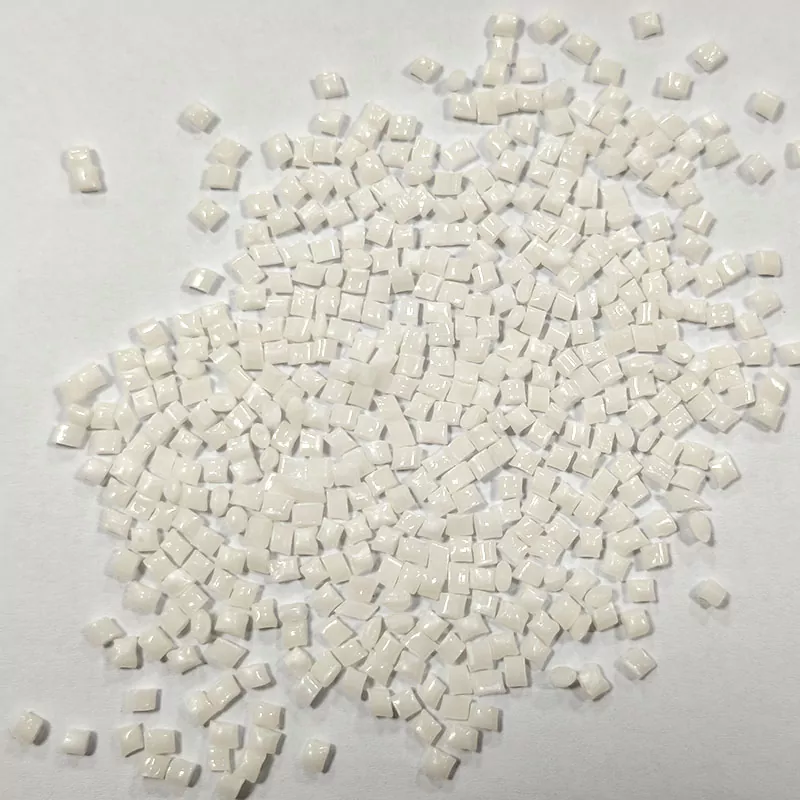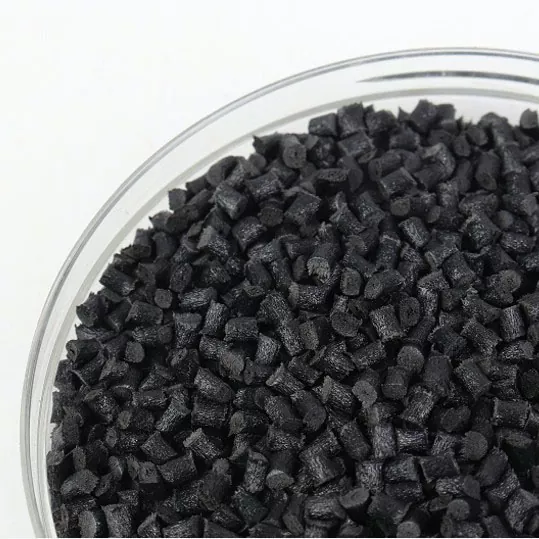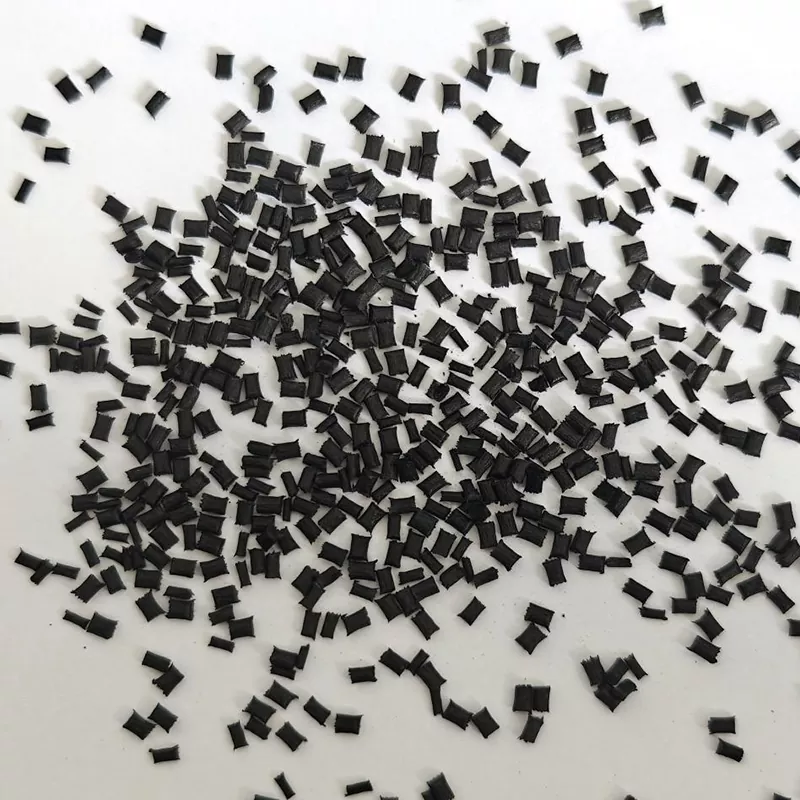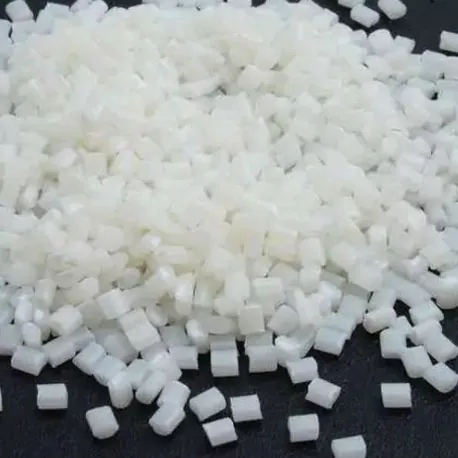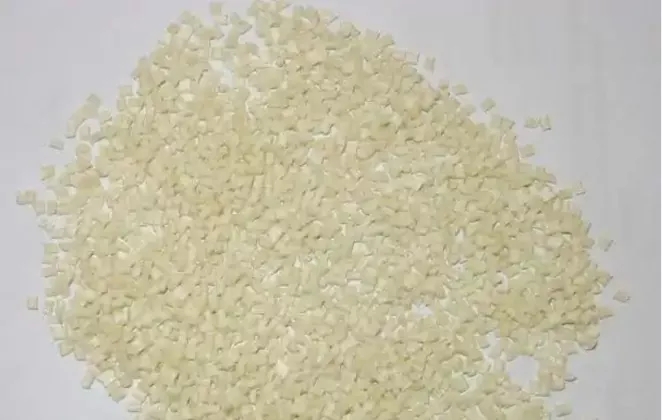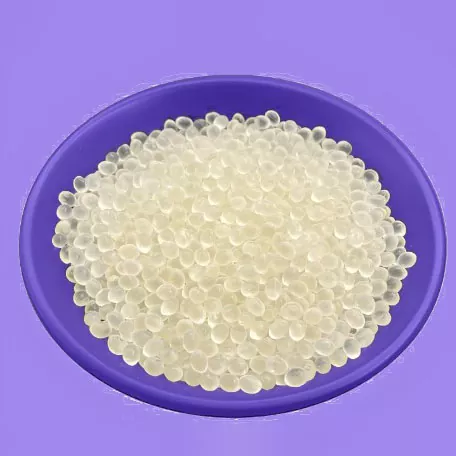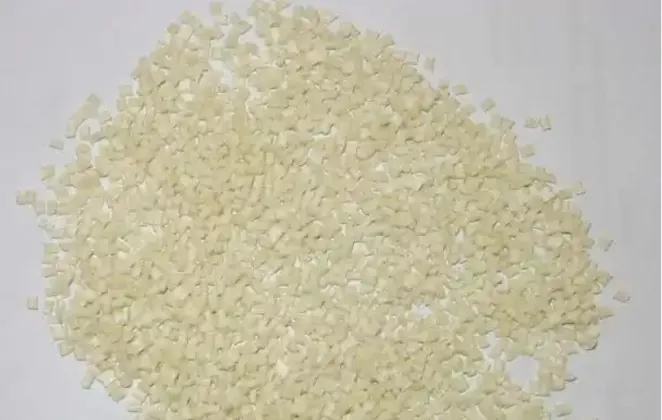
Article Summary: Flame Retardant Polybutylene Terephthalate (PBT) is an advanced thermoplastic polymer widely used in various industries due to its excellent flame retardancy, mechanical strength, and electrical insulation properties. This article explores the benefits, applications, processing methods, and key considerations when using Flame Retardant PBT, with insights from Accom, a leading supplier in high-quality polymer materials.
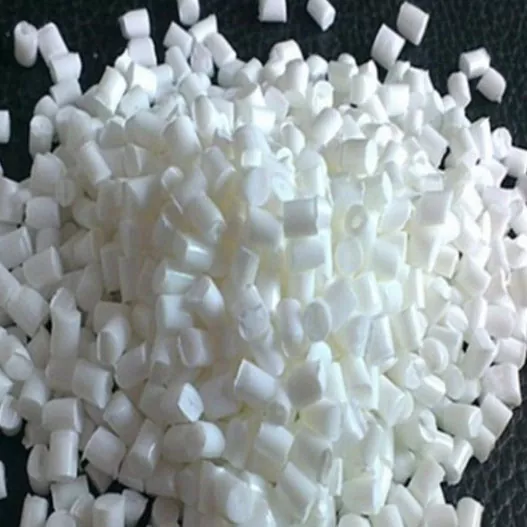
Flame Retardant Polybutylene Terephthalate (FR-PBT) is a modified form of PBT that has been chemically or physically enhanced to resist ignition and reduce flammability. Its excellent thermal stability and self-extinguishing behavior make it ideal for applications in electrical, automotive, and electronics industries.
Accom specializes in providing high-quality FR-PBT materials that meet international safety standards and comply with RoHS and UL94 regulations.
Flame Retardant PBT is highly versatile and used in multiple sectors. Some typical applications include:
Accom’s FR-PBT grades are tailored for high-performance industrial applications, ensuring safety and durability.
Processing FR-PBT requires careful control of temperature, drying, and molding parameters. Common methods include:
Proper processing ensures retention of flame retardancy and mechanical integrity.
| Property | FR-PBT | Polycarbonate (PC) | ABS |
|---|---|---|---|
| Flame Retardancy | UL94 V-0 | UL94 V-2 | UL94 V-1 |
| Impact Strength | High | Medium | Medium |
| Thermal Stability | Excellent | Good | Moderate |
| Chemical Resistance | Excellent | Moderate | Poor |
Flame Retardant PBT contains special additives or chemical modifications that enhance its resistance to ignition and flame spread, ensuring compliance with safety standards like UL94 V-0.
Yes, FR-PBT maintains mechanical integrity at temperatures up to 150-160°C and can handle intermittent thermal exposure in automotive and electronic applications.
FR-PBT is recyclable, but recycling must consider the presence of flame retardant additives to maintain safety and material performance.
Ensure the material is pre-dried to remove moisture, maintain recommended injection molding temperatures, and avoid excessive shear during processing to preserve mechanical and flame retardant properties.
Accom provides premium FR-PBT materials that meet international quality standards, ensuring consistent performance for industrial applications.
Flame Retardant Polybutylene Terephthalate is a versatile, high-performance thermoplastic suitable for a wide range of industrial applications. Its combination of flame retardancy, mechanical strength, thermal stability, and chemical resistance makes it a preferred choice for automotive, electronics, and consumer industries. For businesses seeking reliable, high-quality FR-PBT, Accom offers trusted solutions with global standards.
If you want to explore premium Flame Retardant PBT materials or require custom solutions, contact us today to discuss your requirements and get expert guidance from Accom’s specialists.
Copyright © 2024 Suzhou Accom New Material Technology Co., Ltd. All Rights Reserved.