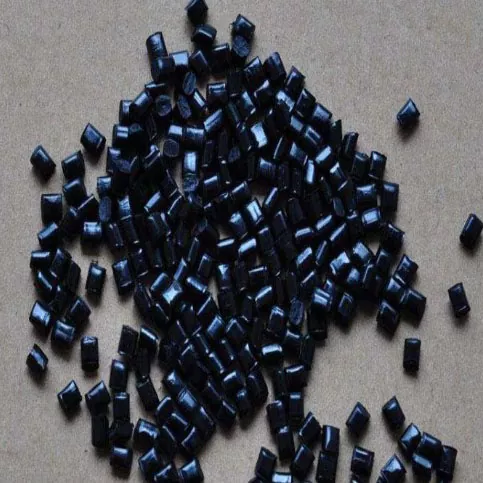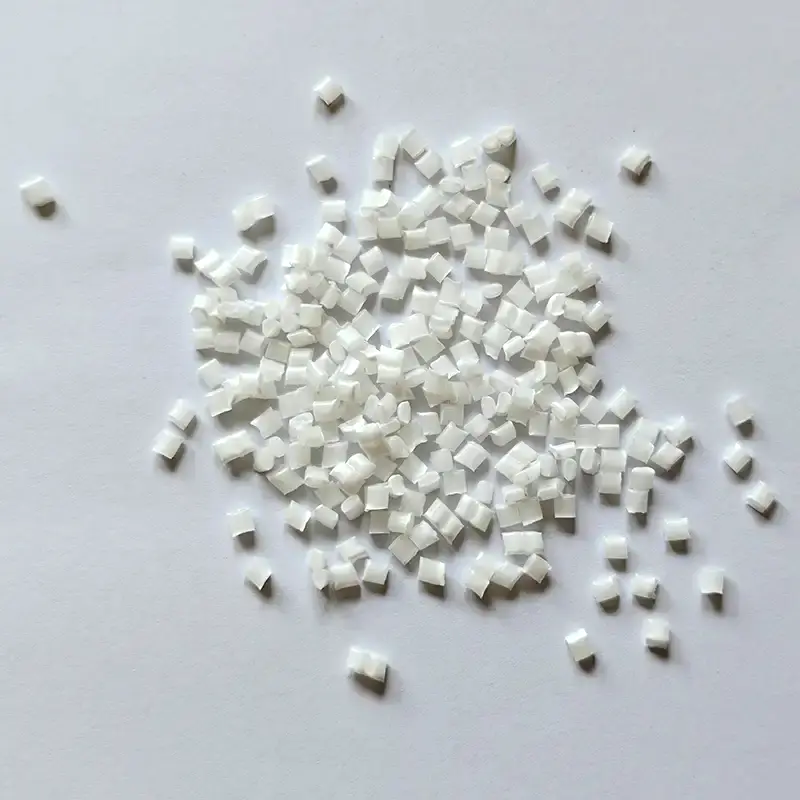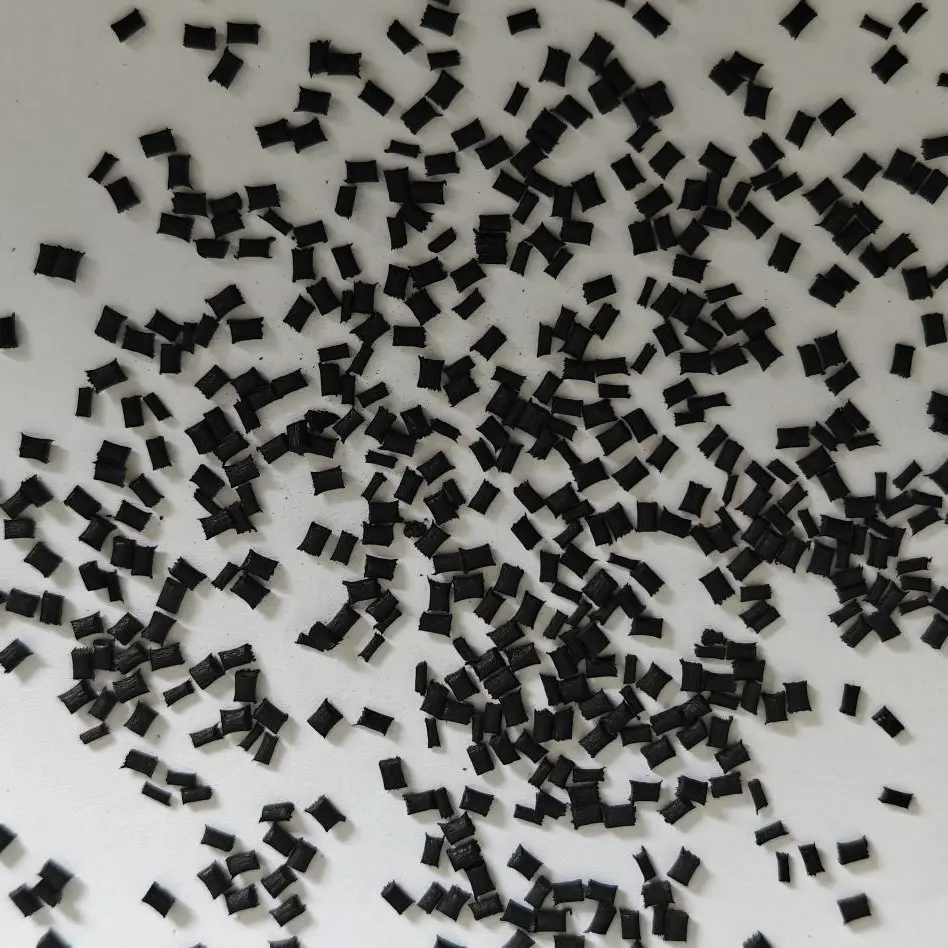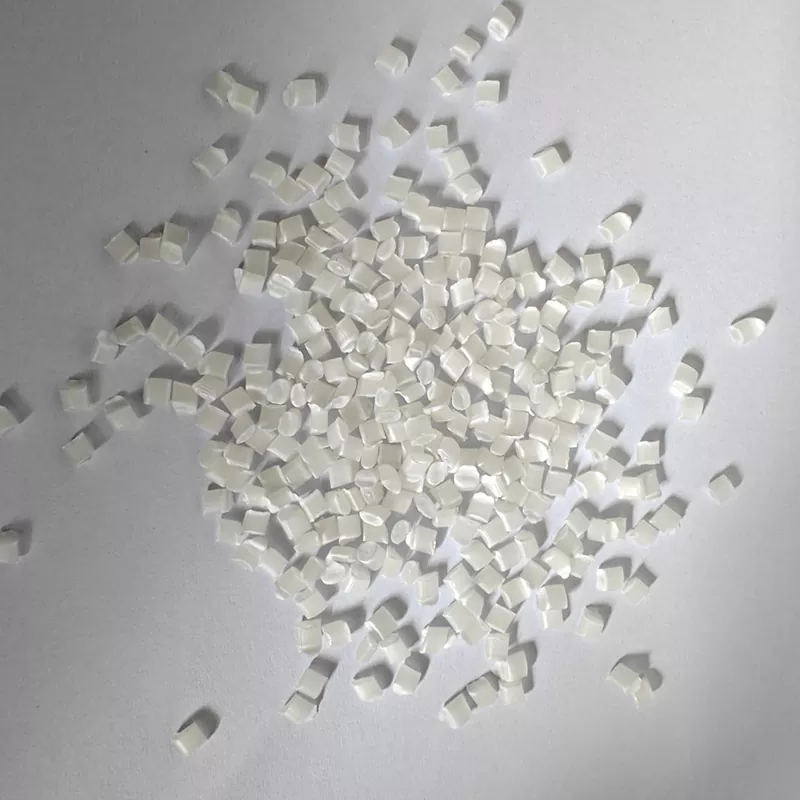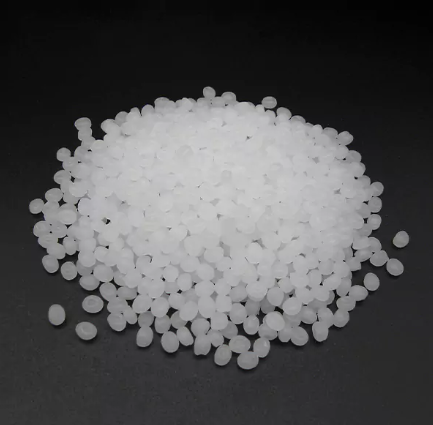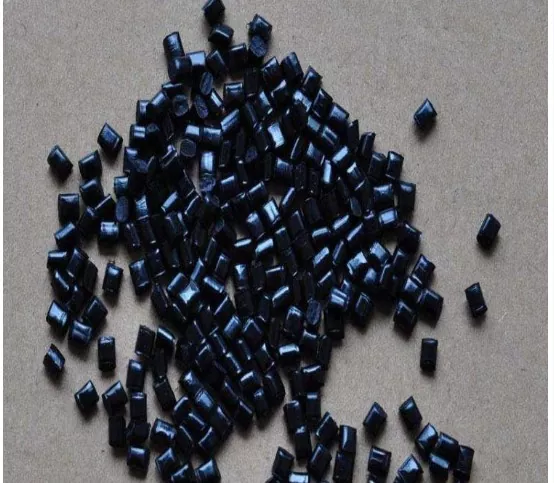
Polycarbonate pellets are a high-performance thermoplastic raw material known for their exceptional impact resistance, optical clarity, heat stability, and dimensional accuracy. Widely used in automotive, electronics, construction, medical, and consumer goods industries, polycarbonate pellets enable manufacturers to create durable, lightweight, and precise plastic components. This in-depth guide explores what polycarbonate pellets are, how they are produced, their key properties, application scenarios, comparison with other plastics, processing methods, and how to select a reliable supplier such as Accom.
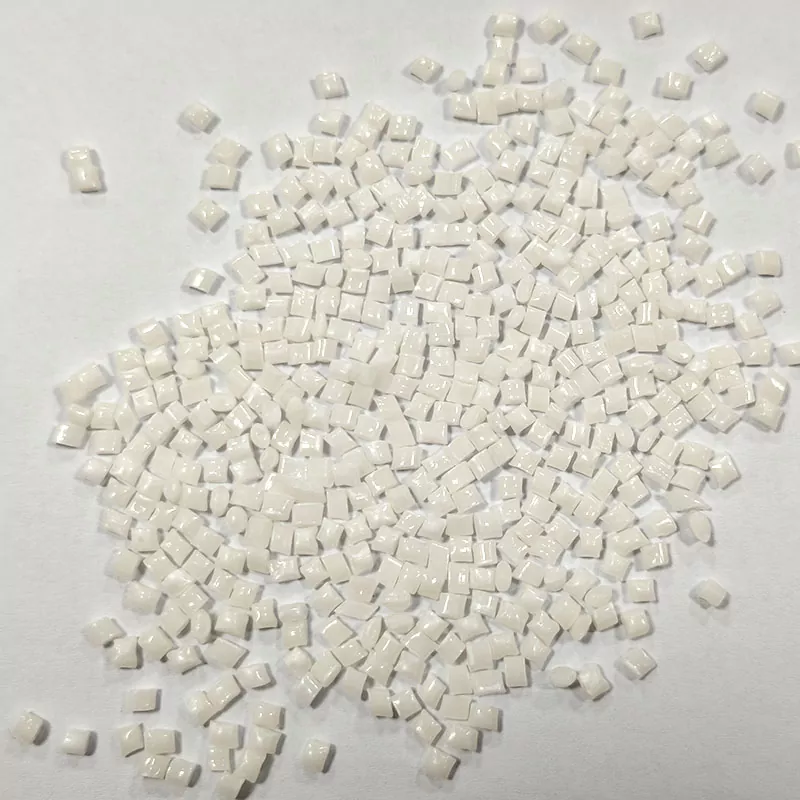
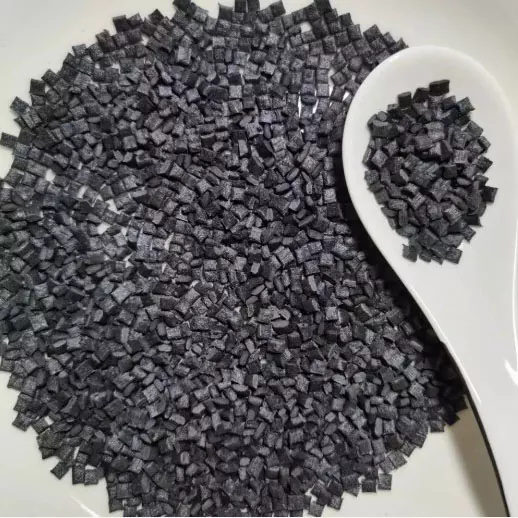
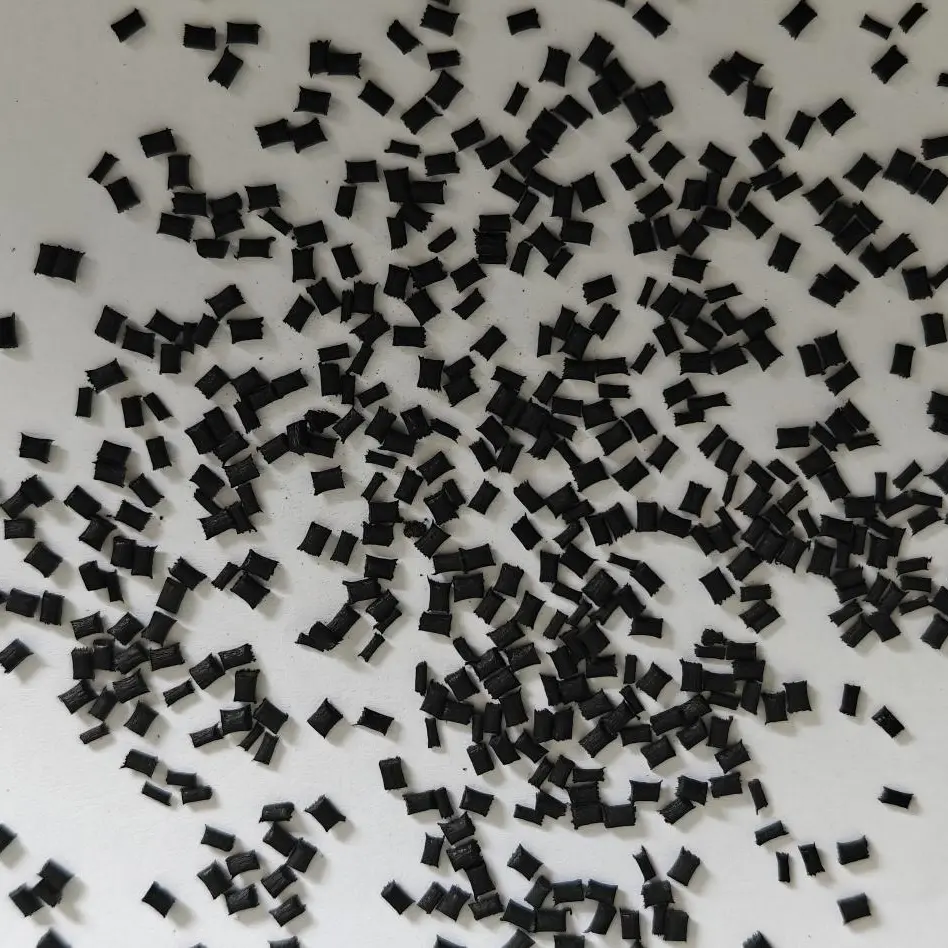
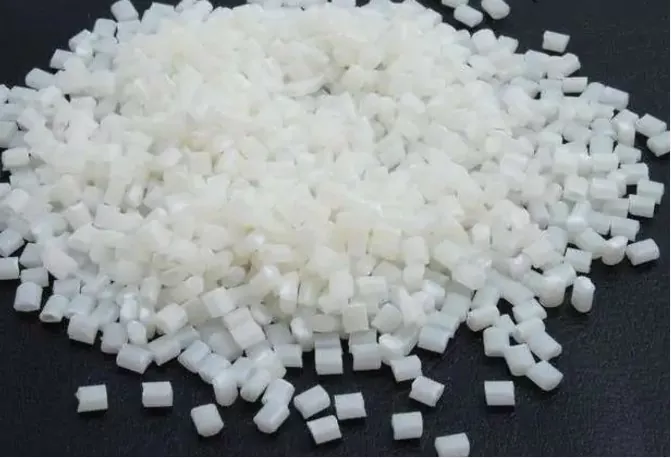
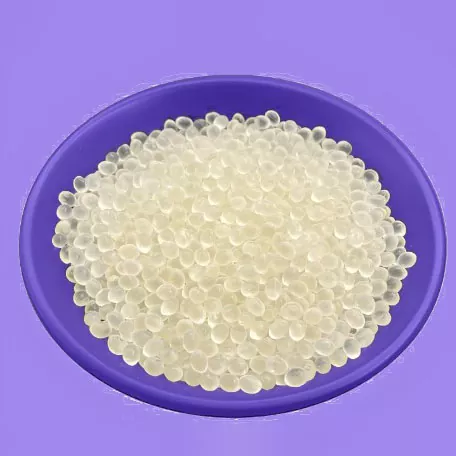
Polycarbonate pellets are small, uniformly shaped granules made from polycarbonate resin, an amorphous engineering thermoplastic. These pellets serve as the primary raw material for manufacturing a wide range of plastic products through processes such as injection molding, extrusion, and blow molding.
Polycarbonate is best known for its unique combination of mechanical strength, transparency, and thermal resistance. In pellet form, it is easy to transport, store, and process, making it a preferred choice for industrial-scale manufacturing.
Compared with commodity plastics like polypropylene (PP) or polyethylene (PE), polycarbonate pellets belong to the category of high-performance engineering plastics, offering superior durability and dimensional stability.
The production of polycarbonate pellets involves advanced chemical synthesis and precise process control. The most common industrial method is interfacial polymerization or melt transesterification.
Advanced manufacturers like Accom maintain strict quality standards to ensure consistency from batch to batch.
The popularity of polycarbonate pellets comes from their outstanding physical, mechanical, and thermal properties.
| Property | Description | Practical Benefit |
|---|---|---|
| High Impact Resistance | Extremely tough and shatter-resistant | Ideal for safety and protective components |
| Optical Transparency | Up to 90% light transmission | Used for lenses, covers, and housings |
| Heat Resistance | Continuous use up to 120–130°C | Stable performance in high-temperature environments |
| Dimensional Stability | Low shrinkage during molding | High precision finished products |
| Flame Retardancy | Self-extinguishing grades available | Meets electrical and safety standards |
Thanks to their versatility, polycarbonate pellets are used across numerous industries.
Choosing the right plastic material requires understanding how polycarbonate compares to alternatives.
| Material | Strength | Transparency | Heat Resistance |
|---|---|---|---|
| Polycarbonate (PC) | Very High | Excellent | High |
| ABS | High | Low | Moderate |
| PMMA (Acrylic) | Moderate | Excellent | Low |
| Polypropylene (PP) | Low | Low | Low |
Polycarbonate pellets are compatible with several plastic processing techniques.
Proper drying before processing is critical, as polycarbonate is sensitive to moisture.
When sourcing polycarbonate pellets, buyers should consider the following criteria:
Working with an experienced supplier ensures reliable material performance and long-term supply stability.
Accom is a professional materials supplier specializing in high-quality polycarbonate pellets for global customers. With advanced production facilities, strict quality control, and application-focused technical support, Accom delivers materials that meet the demanding requirements of modern industries.
By partnering with Accom, manufacturers gain access to consistent material quality, customizable grades, and responsive service support.
Yes, polycarbonate pellets are recyclable and can be reprocessed under controlled conditions without significant loss of properties.
Traditional polycarbonate is derived from BPA, but finished products are generally safe for industrial applications and compliant with regulations.
Yes, especially UV-stabilized grades designed for long-term outdoor exposure.
Their superior performance, durability, and complex manufacturing process justify the higher cost.
Final Note: If you are looking for reliable, high-performance polycarbonate pellets tailored to your application needs, Accom is ready to support your project. Whether for automotive, electronics, construction, or consumer products, contact us today to discuss your requirements and get expert guidance.
Copyright © 2024 Suzhou Accom New Material Technology Co., Ltd. All Rights Reserved.